Natural ingredients are the heart of perfumery’s history. Long before laboratories and aroma molecules, perfume was built from petals, woods, resins, seeds, fruits, spices, roots, and animal-derived musks. Even today, in an age driven by innovation, natural ingredients remain the most emotionally powerful part of fragrance creation. They smell alive, imperfect, complex, and real — like nature bottled into memory.
But working with natural ingredients is not romantic behind the scenes. It is one of the toughest challenges for perfumers, fragrance houses, and suppliers. Unlike synthetic notes that can be reproduced exactly, naturals change from batch to batch. A harvest of Bulgarian roses this year may smell different next year due to rain, soil, sun exposure, or temperature shifts. Jasmine blooms picked at dawn can carry a different scent tone than jasmine picked at dusk. Sandalwood aged 15 years behaves differently from wood aged 5 years. Even the region a tree grows in can shift its aroma profile.
One of the biggest challenges is consistency. When a perfume brand releases a fragrance, customers expect the same scent experience every time they purchase. But natural ingredients have natural variations. Perfumers must constantly adjust formulas to keep the scent close to the original idea while still using real botanical extracts. This balancing act is invisible to customers, but it takes years of skill to master.
Then comes sustainability and sourcing. Oud, one of the most treasured natural perfume ingredients in Arabian fragrances, only forms when agarwood trees go through a specific process of resin development — a reaction to injury or natural infection. Genuine oud is rare, slow to form, and expensive. This has created a massive challenge in the fragrance world: demand is high, supply is limited, and ethical harvesting is critical. Many fragrance houses now blend natural oud with supporting notes to stretch supply without losing authenticity.
Another hurdle is ingredient longevity. Many natural citrus oils smell incredible but evaporate fast. Lemon, bergamot, orange, and mandarin offer bright openings but can fade within minutes unless supported by fixatives like resins, woods, or musks. That’s why perfumes built mainly on natural fresh notes often struggle to last long in their pure form. Perfumers work around this by combining heavier natural bases like patchouli, cedarwood, amber, or vanilla to give the fragrance a lasting drydown.
There are also allergy and preservation challenges. Some natural extracts can be sensitising, meaning brands must use them carefully, safely, and within regulated limits. Naturals can also spoil or degrade faster if not stored correctly. Temperature, oxygen, and light are the silent enemies of natural raw materials. A natural perfume oil stored poorly can lose its richness in months, while a synthetic one may remain stable for years.
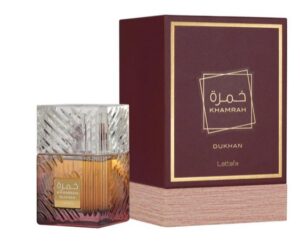
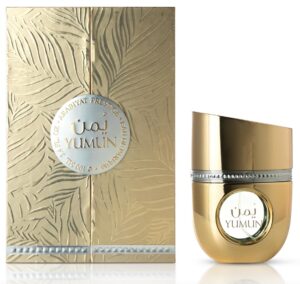
Cost is another challenge. Extracting natural ingredients takes time and labour. Rose and jasmine require thousands of petals to create a tiny amount of oil. Vanilla must be cured for months before its scent is usable. Sandalwood must be aged. Resins like frankincense and myrrh must be hand harvested. This pushes up the price of production, yet fragrance houses like RiiFFS, Lattafa, and Arabiyat are working to keep perfumes affordable without losing natural beauty — a challenge that has helped Dubai perfume brands stand out in the global market.
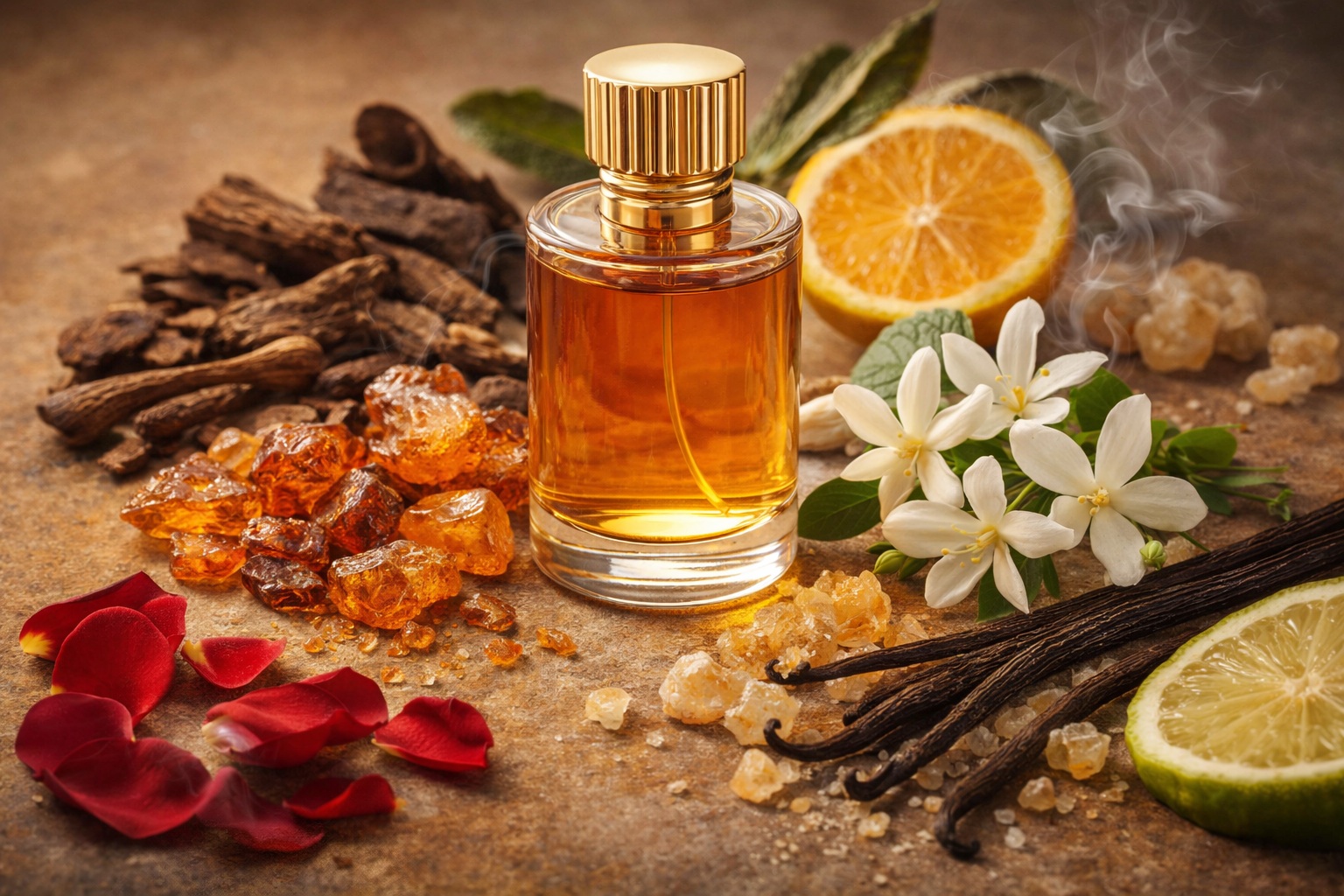
Despite the difficulties, natural ingredients offer something synthetics cannot fully replace: emotion. A perfume with natural rose smells like a real garden. Natural musk feels like skin warmth. Natural vanilla smells edible, creamy, alive. Natural oud smells ancient, powerful, sacred. Natural amber resins smell golden and calming. These scents connect to memories, culture, and identity — which is why natural ingredients are becoming a major trend in New Zealand’s fragrance community.
Modern Solutions to Natural Ingredient Challenges
Many perfume brands now use hybrid perfumery, blending natural extracts with safe, stable aroma molecules to preserve consistency, boost longevity, and maintain emotional depth. This keeps perfumes authentic, high-performing, and safe for daily wear. It’s also why many modern unisex and niche-style perfumes feel more balanced than old-school all-natural compositions.